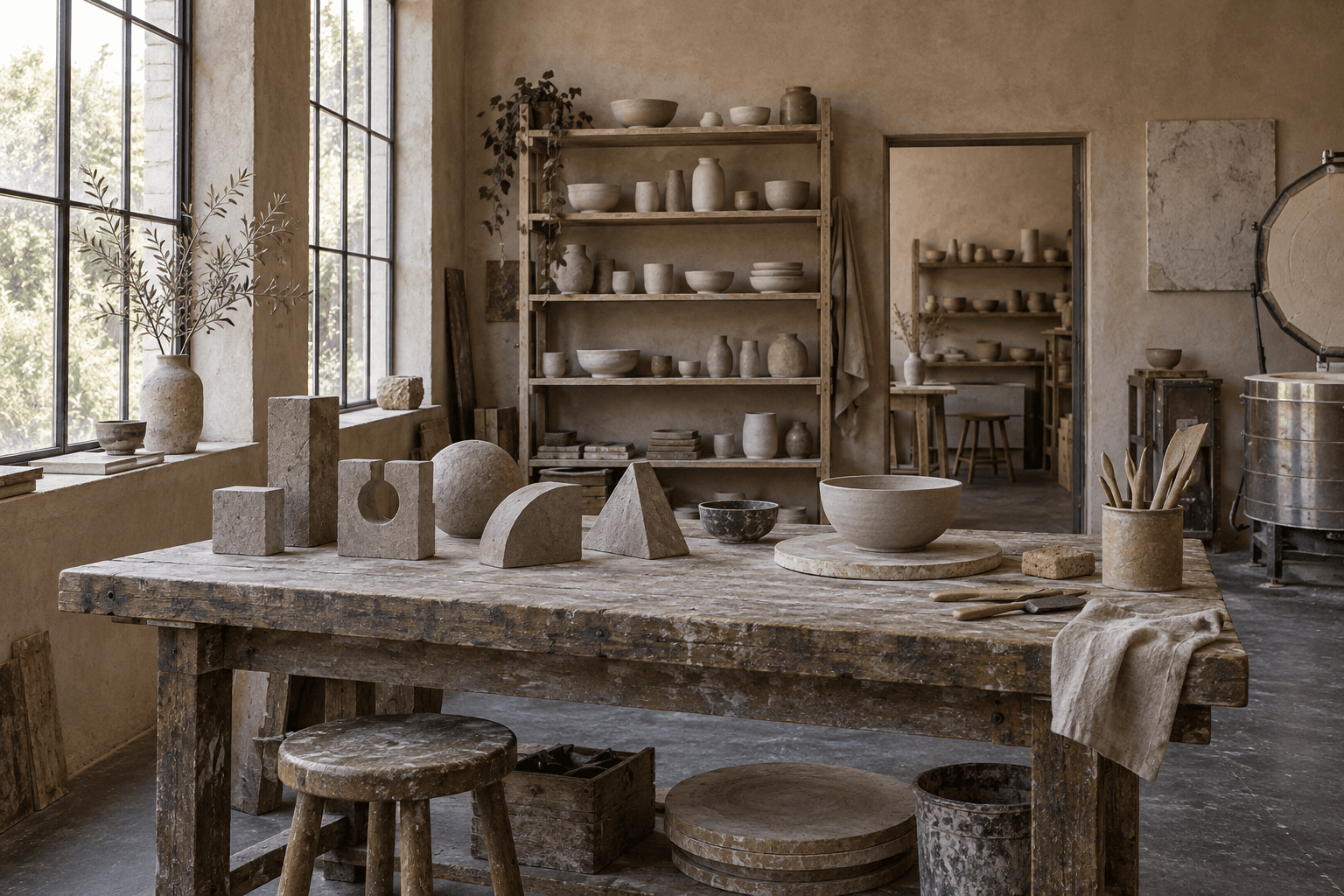
The first view of a sculpture is only one view. A photograph offers a particular angle; a room allows us to move. In either case, looking can become more deliberate when we give ourselves permission to pause before deciding what a work means.
Begin with the whole
Notice the silhouette and the way the form occupies its surroundings. Does your eye move upward, settle near the centre or follow a diagonal? These simple observations can help you recognise how a composition directs your attention.
Then choose a detail. It might be a small change in texture or a point where two forms meet. Let that detail lead you back to the whole. Close looking and an overall impression can deepen each other rather than compete.
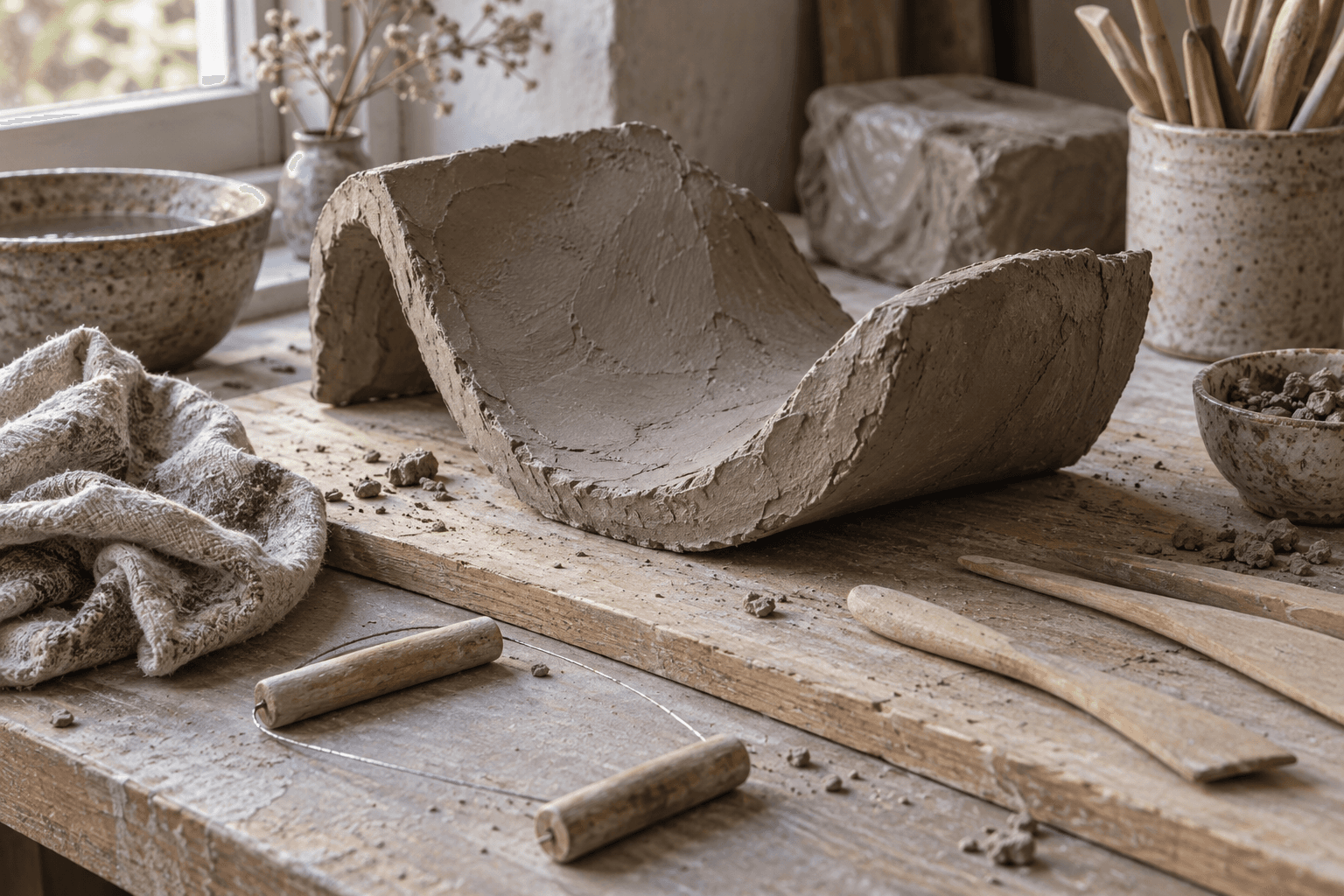
Leave room for another reading
When viewing work in person, move around it where the setting permits. When looking online, compare the available photographs. Pay attention to what each angle reveals and what it hides. A single image cannot fully describe a three-dimensional object.
You do not need specialist vocabulary to describe a response. Start with what you can see, then consider the associations it brings. Returning later may offer a different reading. Spending time with a work can be less about finding an answer than becoming more attentive to the questions it raises.